Case Study
Toyota e-Palette Production Parts SOLIZE PARTNERS’ 3D Printed Components Adopted for Mass Production
Industrial Equipment
Toyota Industries Corporation
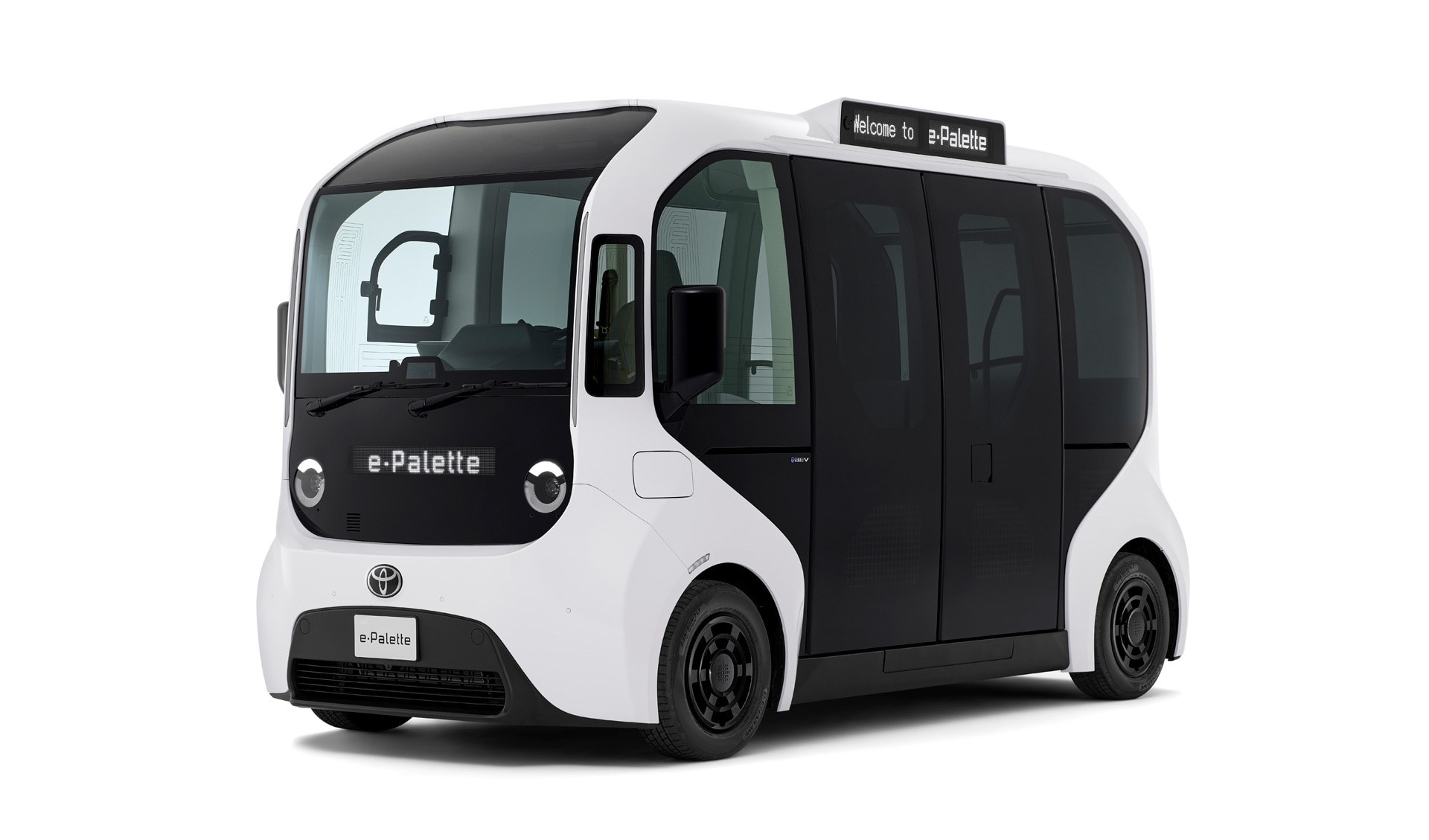
Reference Image: e Palette
Source: https://global.toyota/jp/
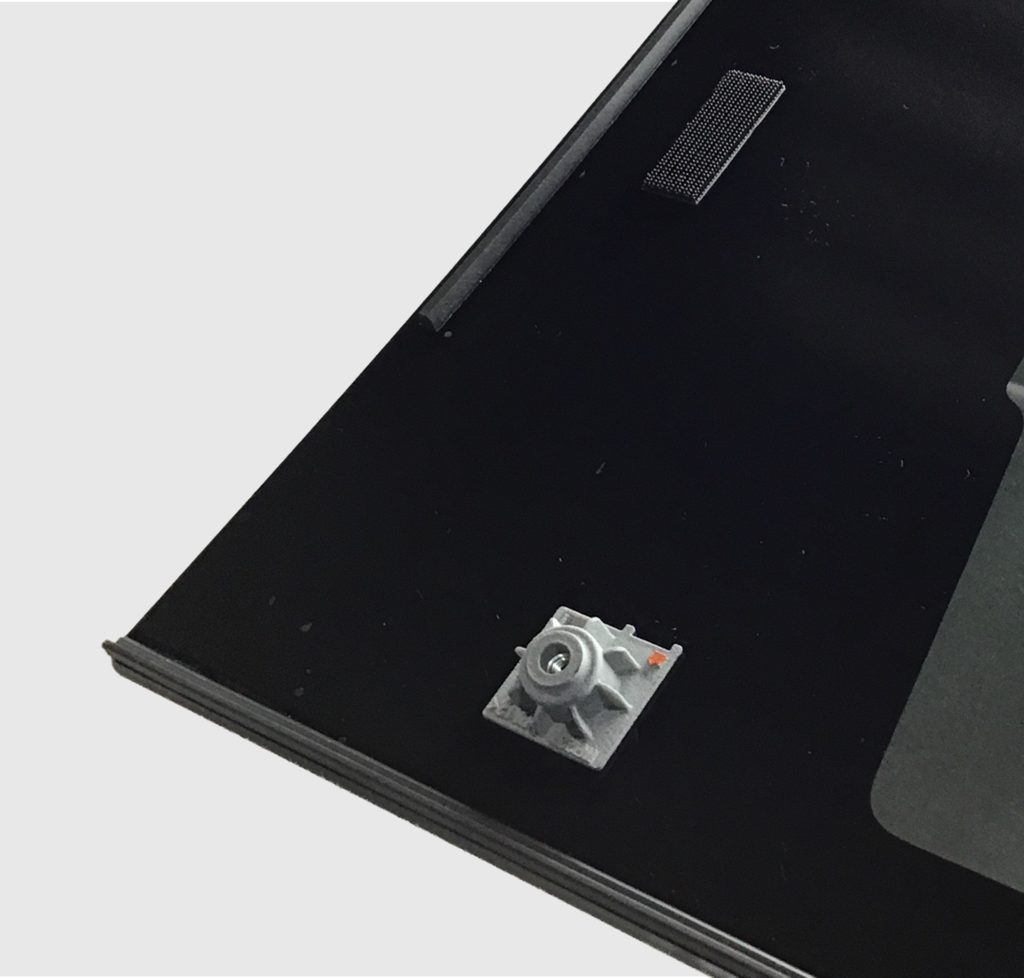
Reference Image:Plastic Window and Pin Seat
Image courtesy of Toyota Industries Corporation
Toyota Industries’ Plastic Window for the Toyota e-Palette
Toyota Motor Corporation’s next generation mobility platform, the e-Palette, features large polycarbonate plastic windows manufactured by Toyota Industries Corporation. These oversized windows are highly impact resistant, helping to reduce the risk of passengers being ejected from the vehicle in the event of a collision, while simultaneously achieving both enhanced safety and a distinctive vehicle design.
Supporting this innovation is a newly developed hard coat material and a proprietary manufacturing process created by Toyota Industries. Together, these enable both lower cost and larger window sizes. Polycarbonate plastic windows weigh roughly half as much as glass, are far more resistant to breakage, and can be formed into complex shapes—making them an increasingly attractive material for improving vehicle weight reduction, safety, and design flexibility.
As initiatives toward a carbon neutral society accelerate worldwide, demand within the automotive industry for improved fuel efficiency through vehicle weight reduction continues to grow. Therefore, rapidly rising expectations for plastic windows.
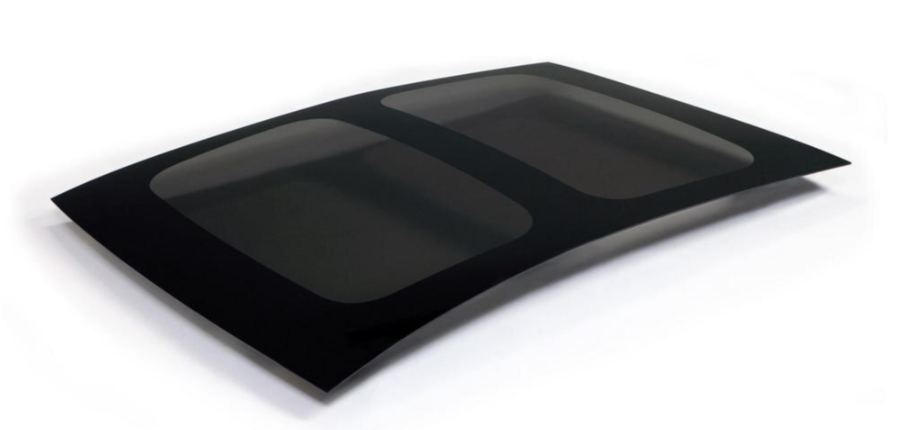
Reference Image: Plastic Window
Image courtesy of Toyota Industries Corporation
Balancing High Mix, Low Volume Production with High Quality
— Adopting SOLIZE PARTNERS’ 3D Printed Parts as End Use Components
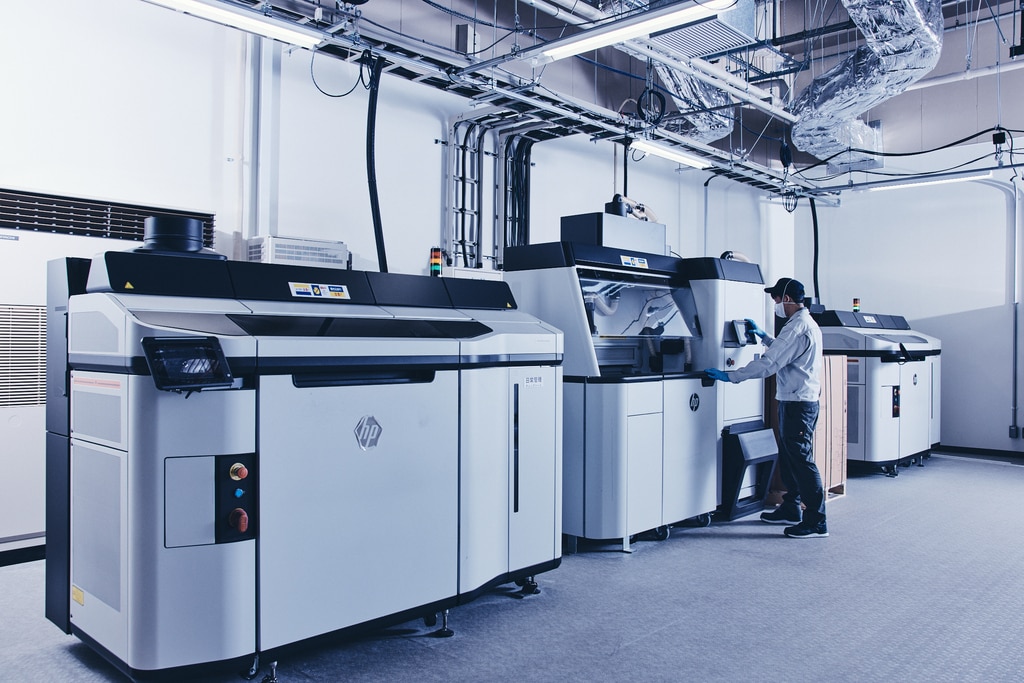
The e-Palette’s plastic windows are large and uniquely shaped, requiring several auxiliary components—such as locating parts (pin seats)—to mount them accurately to the vehicle body. While Toyota Industries managed everything from part design through production in-house, this project required 14 distinct types of parts per vehicle, all produced in small quantities. Using conventional injection molding would have resulted in prohibitively high costs.
To address this challenge, Toyota Industries adopted 3D printed components for the plastic window assemblies. Using 3D printed parts as end use products demands that they meet stringent quality standards, including durability, dimensional accuracy, heat resistance, load resistance, and impact resistance. After evaluating multiple manufacturing methods and suppliers, it was determined that SOLIZE PARTNERS’ application of HP’s Jet Fusion 3D printing technology satisfied all required quality criteria while also offering clear cost advantages.
In addition to maintaining a rigorous quality control framework suitable for end-use applications, SOLIZE PARTNERS proactively proposed design and manufacturing optimizations to reduce costs. These capabilities were highly valued and became a decisive factor in selecting SOLIZE PARTNERS as a project partner.
Collaborative Efforts in Evaluation, Design, Manufacturing, and Quality Assurance
Before adopting 3D‑printed parts as final products, the team first conducted extensive evaluations of material properties such as strength and durability. Tensile (dumbbell) testing and adhesion strength evaluations were performed, and component design and validation were iterated based on the results.
During the design phase, SOLIZE PARTNERS proposed a variety of design improvements with an objective to meet production requirements and cost optimization. One particularly notable feature—the nut‑retention structure of the pin seat—was developed collaboratively. By combining ideas from both companies, the final design achieved ease of assembly while ensuring the durability of the retaining claws.
The most significant technical hurdle in designing the pin seats was dimensional accuracy. Compared to injection molding, 3D printing tends to exhibit greater dimensional variation. While certain tolerances were acceptable during prototyping, they became critical issues for final production parts.
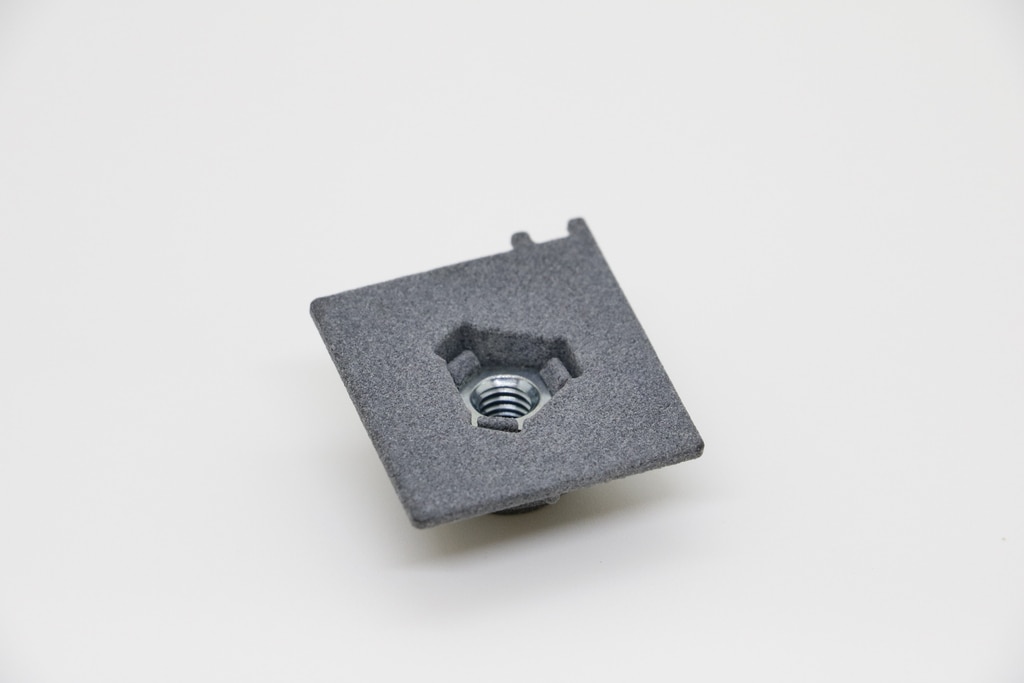
To overcome this, SOLIZE PARTNERS engaged in repeated trial‑and‑error focused on quality control. This included establishing a meticulous production workflow, from applying individual shrinkage factors based on build orientation to implementing post build inspection and quality assurance processes.
Another key advantage was the ability to leverage 3D printing’s inherent strengths, high-design freedom, and rapid iteration cycles—allowing design changes and improvements to be implemented immediately. This agility was instrumental in keeping the project on track.
Advantages of Mass Production Using 3D Printing
The adoption of 3D printed pin seat components delivered benefits that would have been difficult to achieve using conventional manufacturing methods.
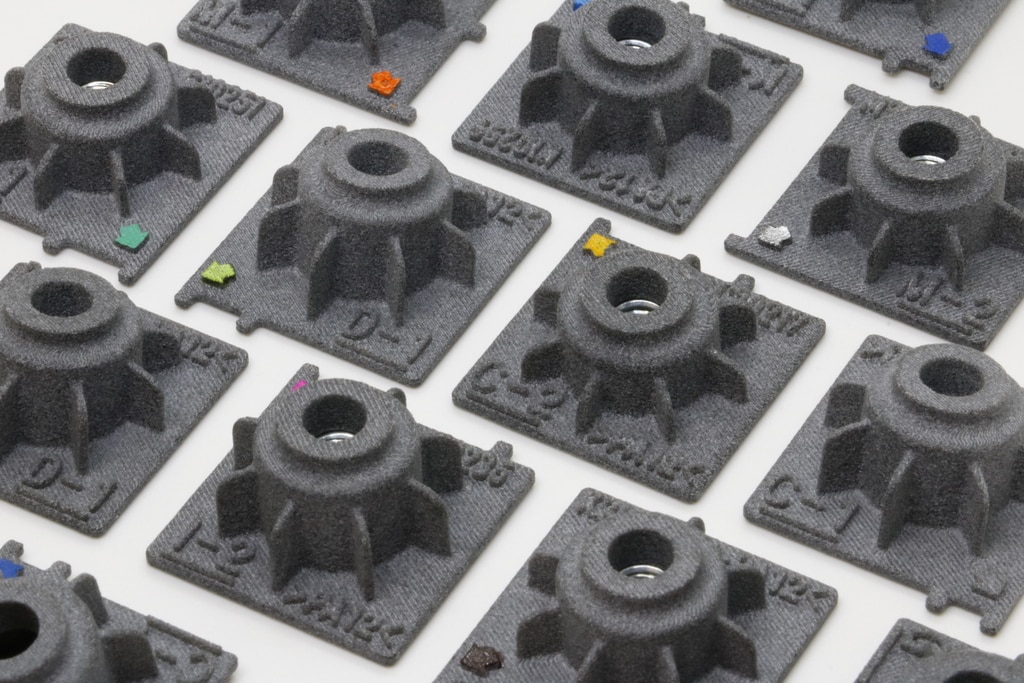
- Tool Free Production: Reduced Costs and Shorter Lead Times
Fourteen different part types per vehicle were manufactured without molds, significantly reducing initial investment and overall production costs. The approach also allowed rapid and flexible iteration for part specific design variations. - Greater Design Freedom and Integrated Manufacturing
Relaxed process constraints enable optimized designs that conform precisely to the curved geometry of the plastic windows. Extremely difficult to produce with traditional tooling integrated nut retention structures were fabricated as a single piece, reducing design complexity while improving functionality. - Part Differentiation and Assembly Error Prevention
To improve identification across multiple part variants and prevent assembly mistakes, each part was given unique guide features and markings. This enhanced visibility during assembly and reduced the risk of human error.
Collectively, these results demonstrated that 3D printing is a highly effective mass production solution for environments requiring high mix, low volume manufacturing, and advanced design flexibility.
Interview
Please tell us about your responsibilities and the mission of this project.
Our department oversees everything from planning and development to the production of plastic windows. Our mission is to bring this plastic window technology to market and expand its adoption. Although we are a small team, we manage the entire process—from design through mass production—end to end.
What are the key features of the plastic windows used in the e-Palette?
The primary features are their ability to support large, curved shapes and their lightweight nature. Plastic windows are also highly impact resistant, reducing the risk of occupants being ejected from the vehicle in the event of an accident, which significantly enhances safety.
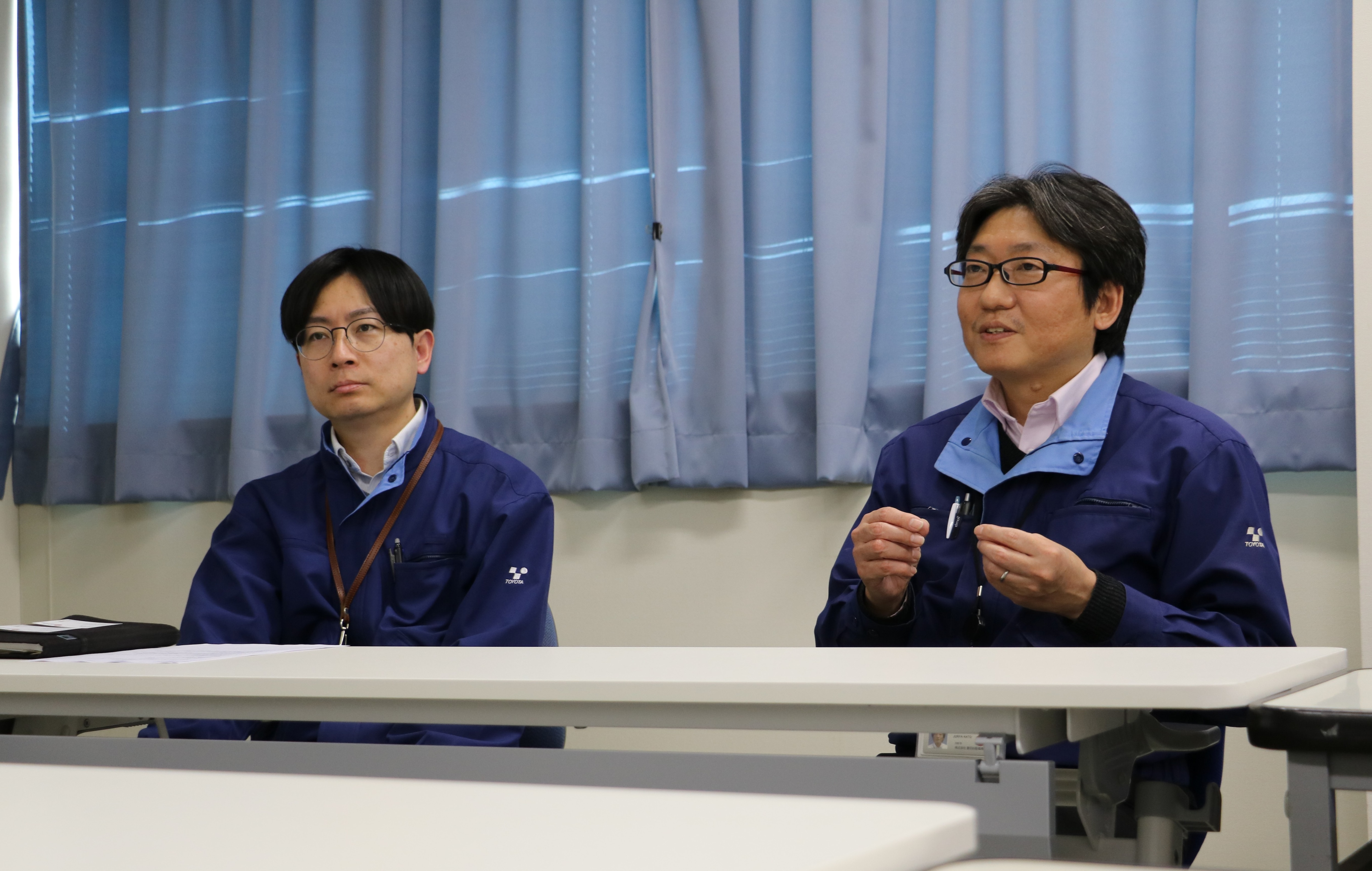
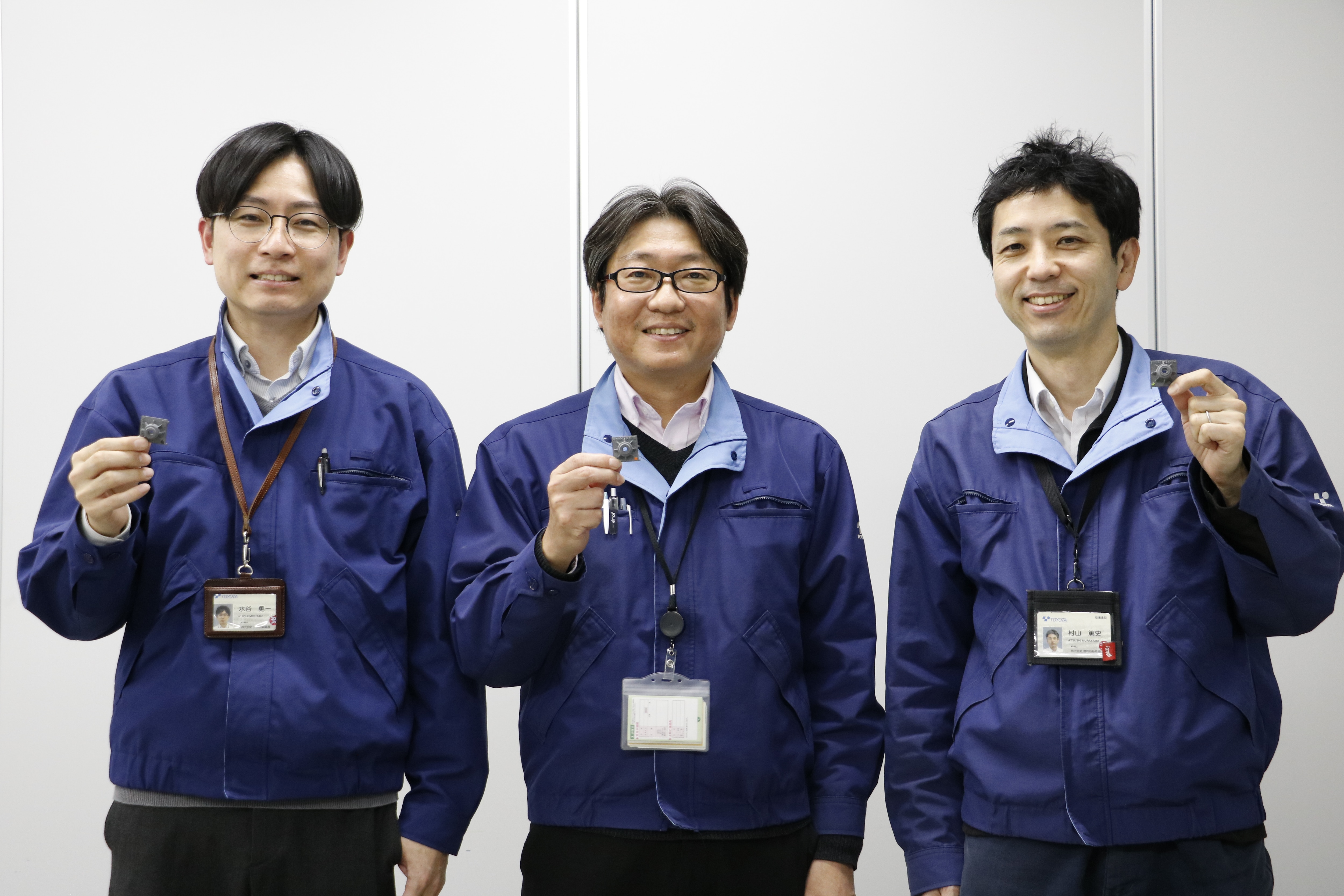
From left to right:
Yuichi Mizutani, General Manager, Development Group 1, PG Project
Junya Kato, Project Leader, PG Project
(Toyota Industries Corporation)
What led you to adopt 3D printed pin seat components?
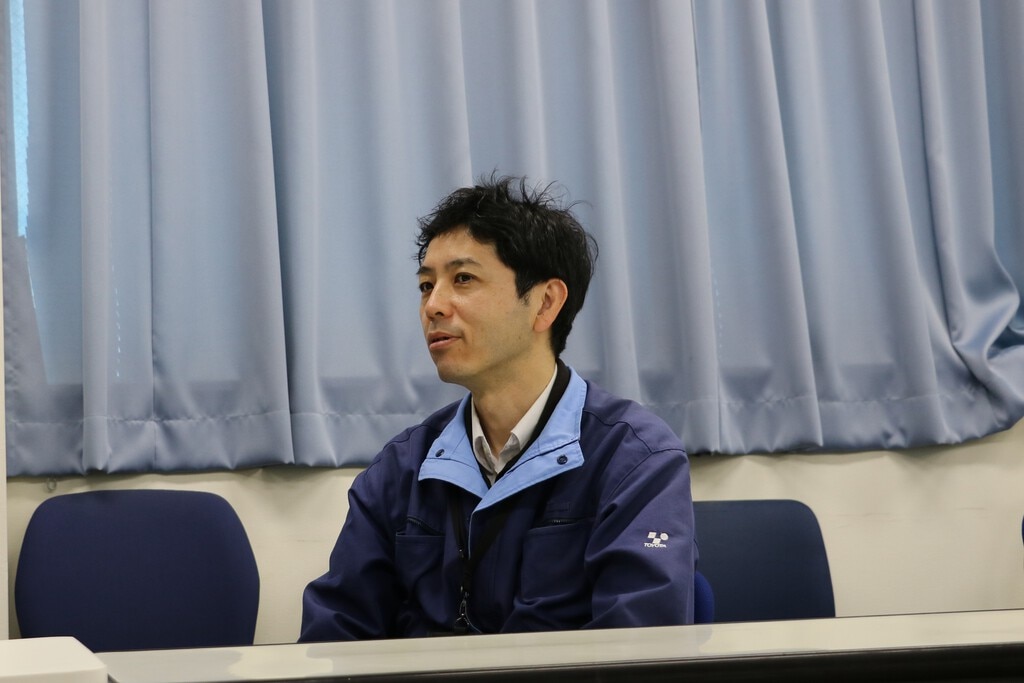
Atsushi Murayama, Development Group 1, PG Project, Toyota Industries Corporation
For this project, we had to design and procure the pin seat components entirely in-house. Although production volumes were low, each vehicle required 14 different part types. Injection molding with conventional tooling was not cost-effective, so we explored alternative manufacturing methods and ultimately chose 3D printing.
Why did you choose SOLIZE PARTNERS?
When using 3D printing for mass production parts, not just any printer or supplier will suffice. We needed high performance across material strength, dimensional accuracy, heat resistance, and load resistance—while still achieving cost viability.
We initially produced prototypes using in-house 3D printers, but insufficient strength led to part failures. After consulting our internal additive manufacturing specialists, we were introduced to SOLIZE PARTNERS. While many companies can produce 3D printed parts, SOLIZE PARTNERS was the only one capable of providing quality assurance and warranties suitable for end use production components. Additionally, they offered concrete, actionable cost reduction proposals, making them the clear choice.
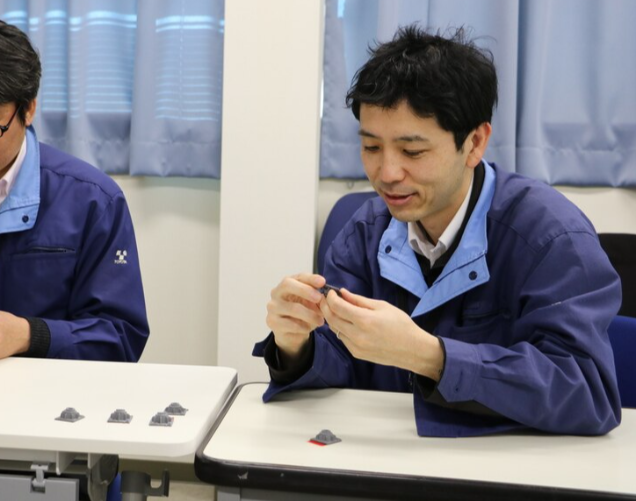
How did the design evolve in order to adopt 3D printing?
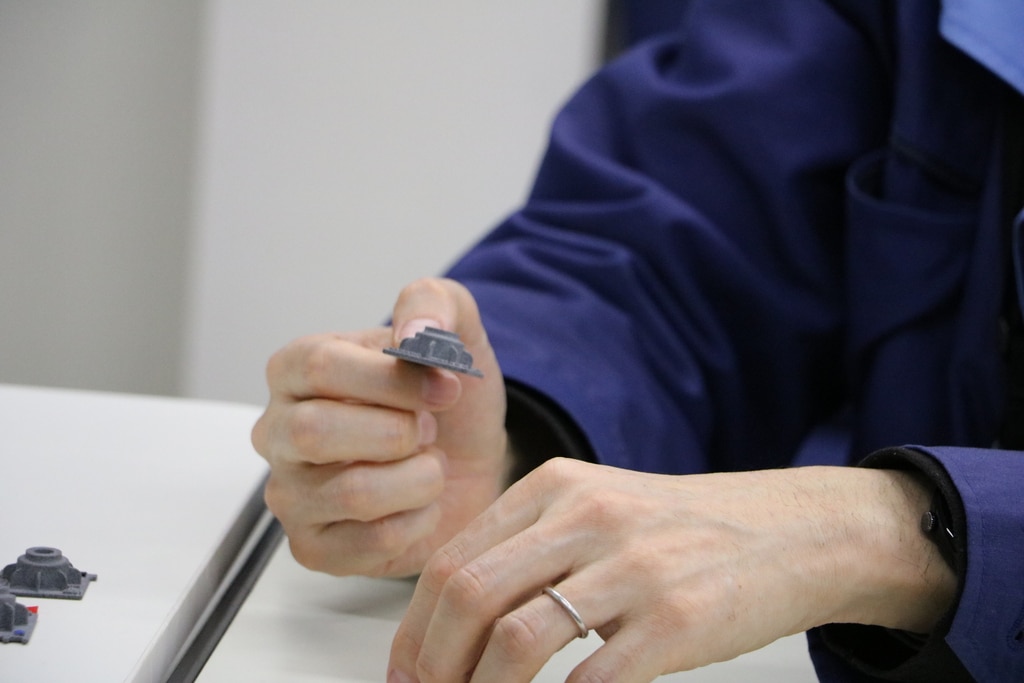
We leveraged the strengths of 3D printing to integrate complex geometries that would be impossible with injection molding. Together with SOLIZE PARTNERS, we refined the designs of the nut retention features and side protrusions through extensive collaboration.
For the nut retention area, we made repeated fine adjustments to balance dimensional stability, holding force, claw durability, productivity, and cost.
We initially assumed that 3D printing would always yield perfectly consistent parts but learned that differences in cooling speed depending on build position could result in warpage and dimensional inaccuracy. By working closely with SOLIZE PARTNERS and continuously refining our approach, we were able to overcome these challenges and achieve our target tolerances. We also benefited from their deep expertise in additive manufacturing. They advised us on issues such as powder removal difficulty and suggested alternative geometries and shape modifications that both reduced cost and improved manufacturability.
What benefits have you seen after adopting 3D printing?
Although it was our first time designing mass production parts using 3D printing—and there were challenges—the design approach was genuinely exciting. Traditional injection molding requires constant consideration of draft angles, undercuts, and tooling constraints. With 3D printing, those limitations are greatly reduced. While dimensional variation remains a challenge, overall design freedom increased significantly. The ease of making design changes and the speed of prototyping are unique advantages of 3D printing. By rapidly iterating from prototype through mass production, we were able to resolve issues efficiently.
What are your future plans?
Through this project, we gained firsthand experience with the strengths of 3D printing for high mix, low-volume production. Moving forward, we aim to further promote the value of plastic windows’ lightweight, impact resistant, and high design flexibility throughout society.
Demand for plastic windows is expected to grow further, driven in part by low volume vehicles such as sports cars. We plan to actively incorporate 3D printing in future expansions and look forward to continued technical support and proposals from SOLIZE PARTNERS.
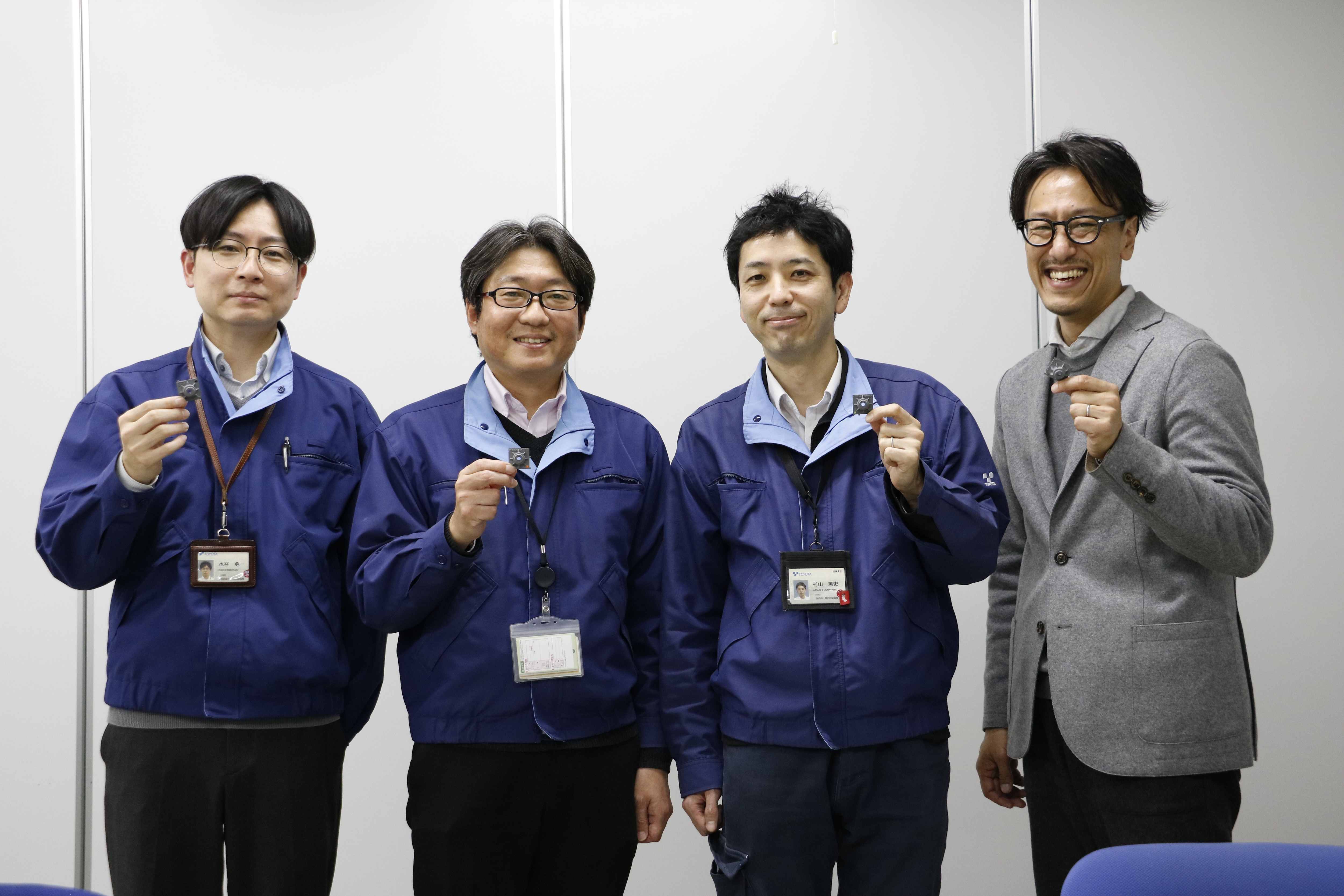
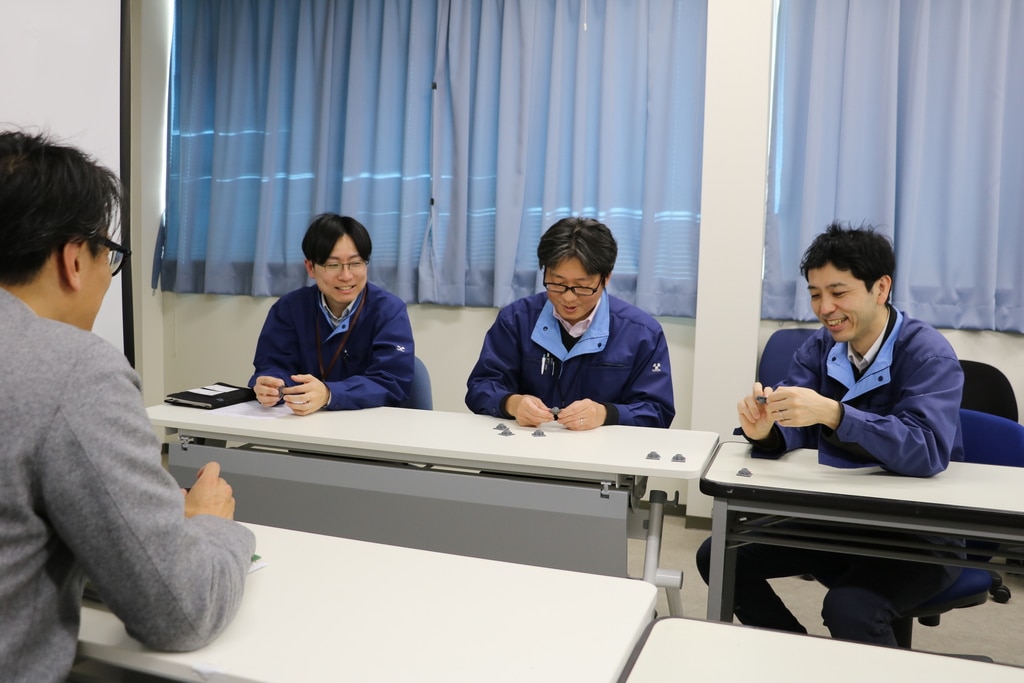
From left to right:
Mr. Mizutani, Mr. Kato, Mr. Murayama(Toyota Industries Corporation) Mr. Numata (SOLIZE PARTNERS)
Department names and job titles are current as of the interview date.

© 2026 SOLIZE Corporation All Rights Reserved.