
Case Study
SOLIZE’s 3D Printing Adopted for Final Production
of BNR32 Defroster Grille
Automotive OEM
Nissan Motor Co., Ltd.
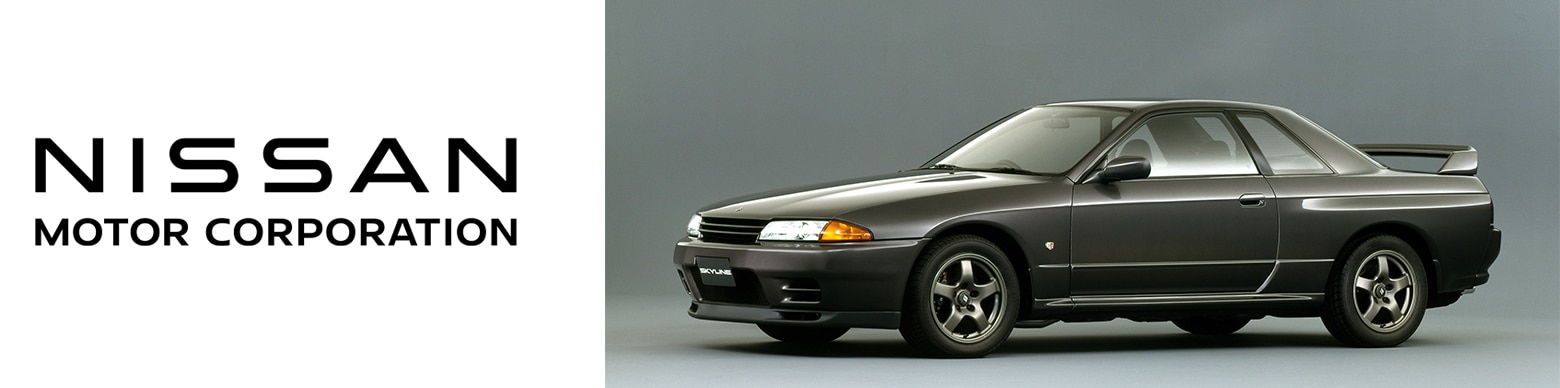
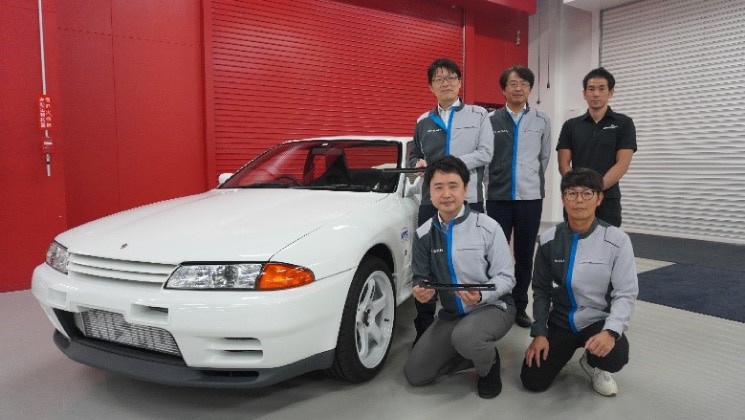
In 2021, as part of Nissan Motor Co., Ltd.’s “NISMO Heritage” initiative, SOLIZE designed and manufactured replacement parts using 3D printing for the first time. This time, as the second “NISMO Heritage Parts” project, SOLIZE used 3D printing for final production to reproduce a discontinued defroster grille installed on the dashboard.
About NISMO Heritage
“NISMO Heritage” is an initiative through which Nissan Motor Co., Ltd., Nissan Motorsports & Customizing Co., Ltd., and suppliers work together to explore the reproduction of discontinued genuine replacement parts, helping customers continue driving Nissan performance cars for as long as possible.
More than 30 years after the R32 was launched in 1989, the second-generation Skyline GT-R continues to captivate many people. To support customers who want to “keep driving their cars for years to come,” “continue enjoying them,” or “pass them down from one generation to the next,” the initiative is working to reproduce and once again supply genuine replacement parts that are no longer in production.
About the Defroster Grille
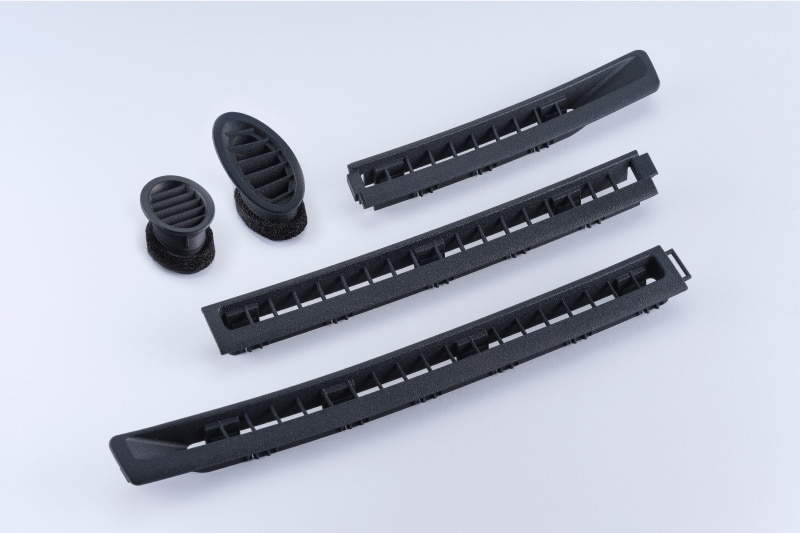
The defroster grille is located on the dashboard closest to the windshield, making it particularly susceptible to heat and ultraviolet exposure from direct sunlight. Over time, this can lead to damage such as deformation and hardening. The part is especially prone to breaking when the instrument panel is removed. Because production of the replacement part had already been discontinued, many customers were unable to obtain a replacement.
The defroster grille was therefore considered as a candidate for reproduction under the “NISMO Heritage” initiative. However, because the original part had been produced more than 30 years earlier, the original mold no longer existed. Creating a new mold would have required substantial initial and maintenance costs, making it impossible to offer the part to customers at a viable price.
The project was initially abandoned. However, based on the results achieved with the 3D-printed harness protector in 2021, a new effort began to reproduce the defroster grille using 3D printing.
Results of the 3D-Printed Harness Protector Introduced in 2021
The harness protector, which entered production in 2021, was the first 3D-printed component adopted as a “NISMO Heritage Part.”
By taking full advantage of HP Jet Fusion’s high productivity and the characteristics of its highly flexible material, SOLIZE produced a harness protector that was lightweight, offered strong mechanical properties, and could be manufactured at low cost.
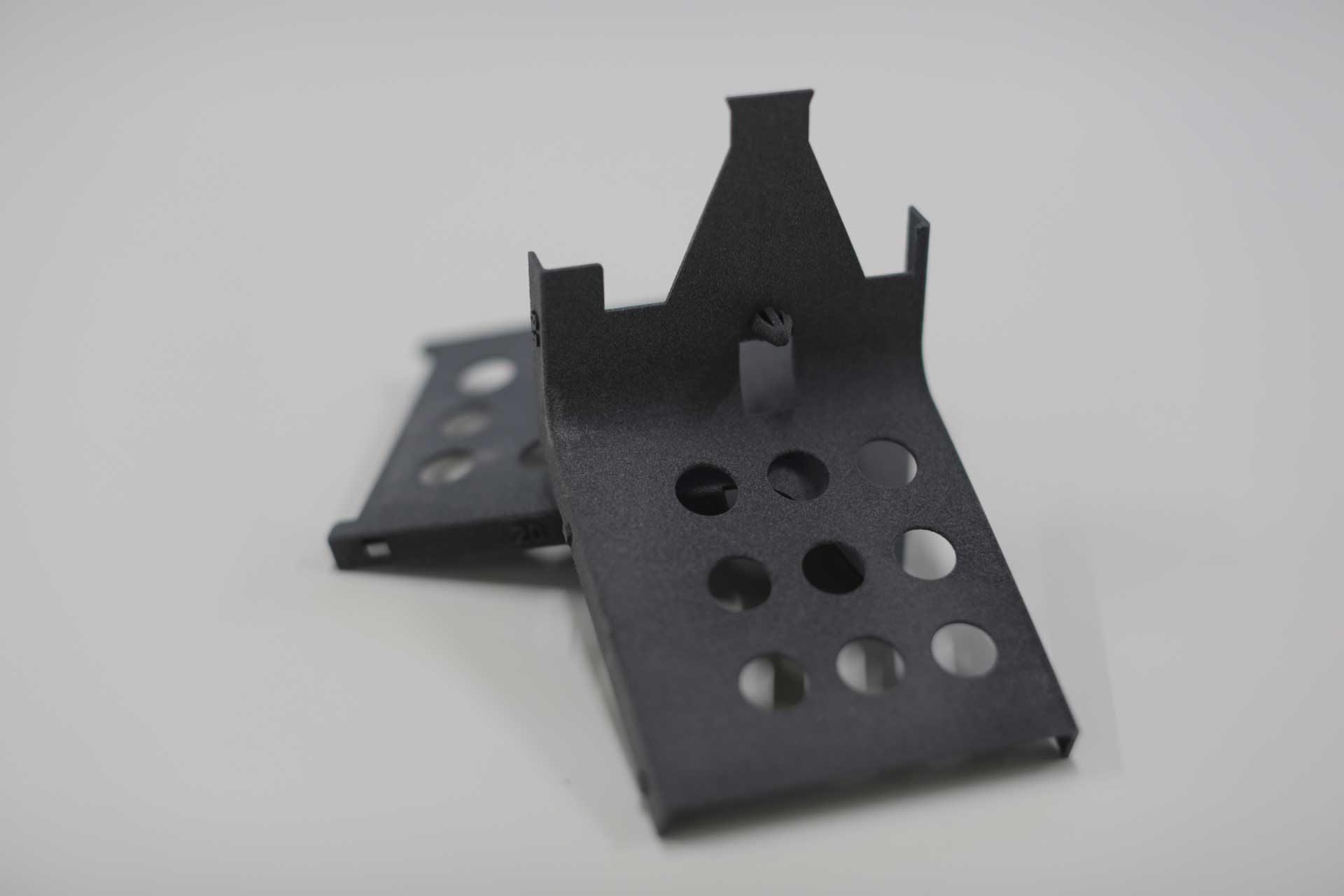
Harness protector for the R32 Skyline GT-R (resin section)
Key Considerations in Applying 3D Printing to the Defroster
Grille
Based on the results achieved with the harness protector, the team considered applying HP Jet Fusion to the defroster grille. However, the requirements for the defroster grille were more demanding than those for the harness protector. In particular, three key requirements had to be met.
Requirement 1: Meeting High Thermal-Load Requirements
As noted above, the defroster grille is positioned on the dashboard closest to the windshield, where it is particularly exposed to heat and ultraviolet radiation from direct sunlight. In midsummer, dashboard temperatures can reach approximately 80°C.
To withstand these conditions, PA12 for HP Jet Fusion was selected. PA12 has an extensive track record of use in automotive interior components and also offers cost advantages.
The defroster grille requires the most demanding heat-resistance and weather-resistance performance among automotive interior components, but PA12 was able to meet Nissan Motor’s requirements.
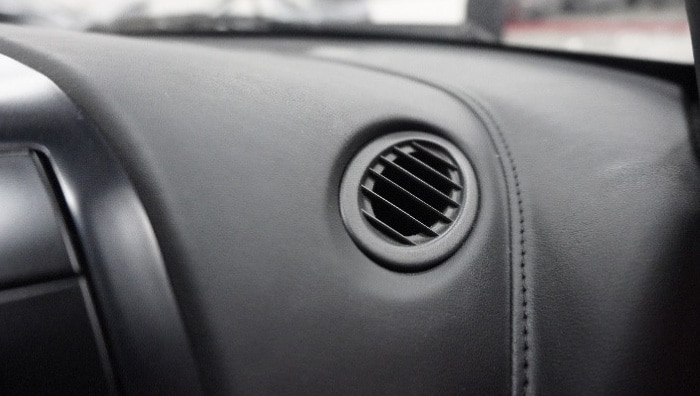
Defroster grille installed on an R32 Skyline GT-R
Requirement 2: Achieving High Appearance Quality
Because the defroster grille is an automotive interior component, it needed to achieve an appearance quality appropriate for Nissan Motor’s GT-R.
Based on specifications provided by Nissan Motor, SOLIZE and a paint manufacturer jointly developed a coating suitable for the nylon material and adopted it for the product.
This improved weather resistance while creating a premium matte black finish without requiring additional post-processing that would increase costs. It also avoided compromising the appearance of the mating components.
Requirement 3: Accommodating Individual Dashboard Variations While Achieving a Commercially Viable Price
Because more than 30 years had passed since the part was originally produced, even the original 2D data was no longer available. SOLIZE therefore used reverse engineering to create 3D data from the physical part.
Another challenge was that many of the dashboards had become deformed over time, with the degree and shape of deformation varying from vehicle to vehicle. The defroster grille therefore needed to accommodate these individual differences and still be installed correctly.
To maintain a design close to the original while improving its ability to conform to the mating components, Nissan Motor and SOLIZE worked with mechanics from the NISMO Omori Factory, repeatedly reviewing and revising the design.
The team optimized both the locations at which the component was divided and the structure of the fastening sections. By changing the original two-piece design to a three-piece configuration, the grille was better able to conform to the mating components.
The three-piece configuration also increased the number of parts that could be produced in a single build. By optimizing the build layout, the team stabilized quality and reduced the cost to approximately one-fifth of the initial level, making it possible to offer the part to customers at a commercially viable price.
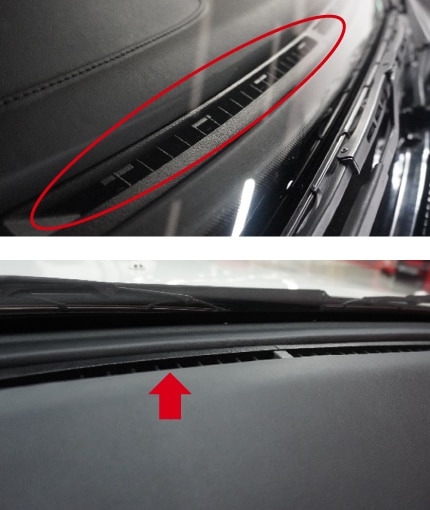
Defroster grille installed on an R32 Skyline GT-R
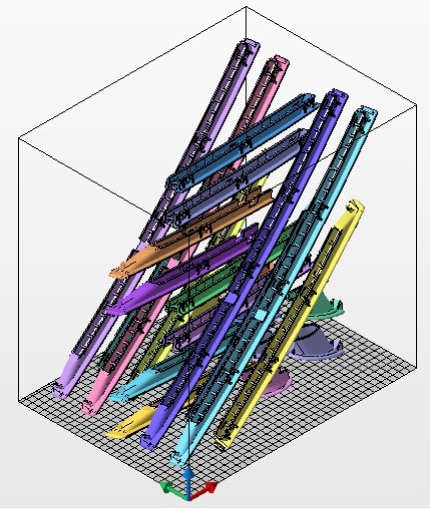
Before modification
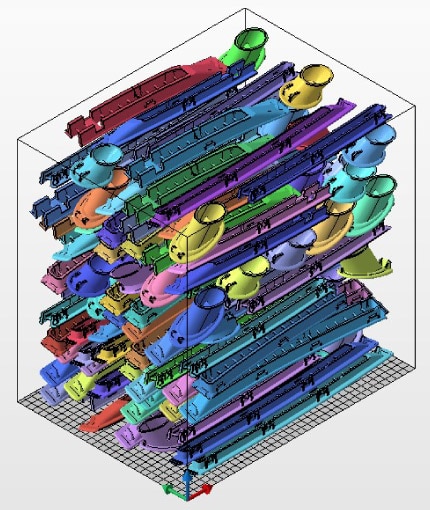
After modification
Results Achieved with the 3D-Printed Defroster Grille
-
The adoption of PA12 enabled the defroster grille to meet the demanding heat-resistance and weather-resistance requirements for automotive interior components.
-
Developing a coating suitable for the nylon material achieved a premium matte black finish while also improving weather resistance.
-
Optimizing the division points and the structure of the joints when changing from a two-piece to a three-piece configuration improved the grille’s ability to conform to the mating components.
-
Changing the number of sections improved 3D-printing production efficiency and reduced the cost to approximately one-fifth of the initial level.
Interview
How was this initiative?
Because this was an older part with no drawings or molds available, the reverse-engineering process itself was challenging. We had to create drawings and 3D data from the physical part, and there were also many areas where simply reproducing the original geometry was not enough.
One example was the interface with the metal mounting clips used to install the grille in the dashboard. Many of the original clips had already been discontinued. We therefore incorporated the clip geometry into the 3D data and modified the design so that the main body and clips could be produced as an integrated 3D-printed structure.
For sections where clips currently used in new vehicles could be used, we modified the shape of the defroster grille to match those clips.
Ultimately, the grille could be installed successfully, and the fastening areas between the divided sections did not have a significant impact on either appearance or noise while driving. For the surface finish, we painted the as-printed surface without any special polishing, resulting in a natural textured appearance that blends with the vehicle interior.
We repeatedly made design changes, produced prototypes, and checked installation on an actual vehicle. Through this process, I came to appreciate the advantage of 3D printing: you can produce an actual part, evaluate it, and flexibly make detailed adjustments.
Kaoru Shindo
Assistant Manager
Nissan Motor Co., Ltd.
Global Aftersales
Conversion & Accessories /
Service Engineering Business Division
Global Service Engineering Department
Yuki Ogura
Nissan Motor Co., Ltd.
Global Aftersales
Conversion & Accessories /
Service Engineering Business Division
Global Service Engineering Department
How was SOLIZE’s support?
SOLIZE was involved from the material-selection stage. Through information sharing and evaluation, we were ultimately able to select a material that met the required specifications.
Because this was a large component originally produced by injection molding, simply reproducing the same part using a 3D printer would not have been cost-effective. The component therefore needed to be divided into multiple sections.
However, the solution was not simply to change the design from two pieces to three. SOLIZE examined how to optimize the build layout to increase the number of parts produced in a single build while maintaining stable quality. This enabled us to reduce costs while ensuring the required quality.
When changes to the geometry were required, we explained what we wanted to achieve, and SOLIZE provided a range of proposals based on its experience and expertise in 3D printing.

Akira Yoshida
Senior Researcher
Nissan Motor Co., Ltd. Research Center
Advanced Materials and Process Research Laboratory /
Planning and Advanced Technology Development Division
Materials Technology Department
Materials Technology Planning Group
Yoshimichi Miura
Leader
Nissan Motor Co., Ltd. Research Center
Experimental Prototyping Department
Prototype Technology Section
Please tell us about your future initiatives.
For the “NISMO Heritage” initiative, close coordination with those working directly on the vehicles is essential.
Going forward, we intend to continue combining the knowledge and information of Nissan Motorsports & Customizing with Nissan Motor’s development capabilities, and to promote the use of 3D printing for other parts with the aim of bringing them to production.
Although there are significant challenges in terms of cost and quality assurance, we would also like to explore the application of 3D printing to new vehicles while making full use of its advantages.
Masaaki Yokota
Nissan Motorsports & Customizing Co., Ltd.
NISMO Business Office
Motorsports Marketing & Sales Department
Factory Restoration Group
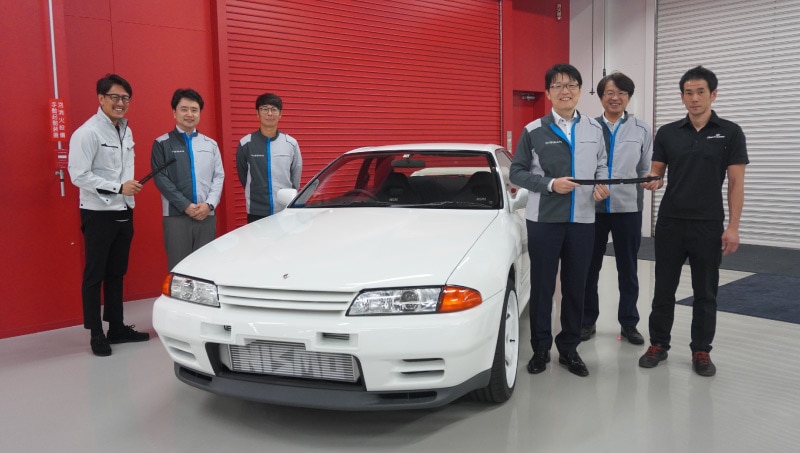
※Department names and positions are those held at the time this initiative was carried out.

© 2026 SOLIZE Corporation All Rights Reserved.